BOBOUTIC Knitwear | A Conversation with Co-Founder Cristina Zamagni

BOBOUTIC is a knitwear brand founded in Florence, Italy, in 2000 by knitwear designer Michel Bergamo and architect and photographer Cristina Zamagni. They combine materials such as wool, cashmere and linen to create distinctive knit fabrics and sculptural shapes.
Florence is known for fine wines such as Chianti Classico and for its tradition of men’s tailoring, which draws people in fashion from around the world.
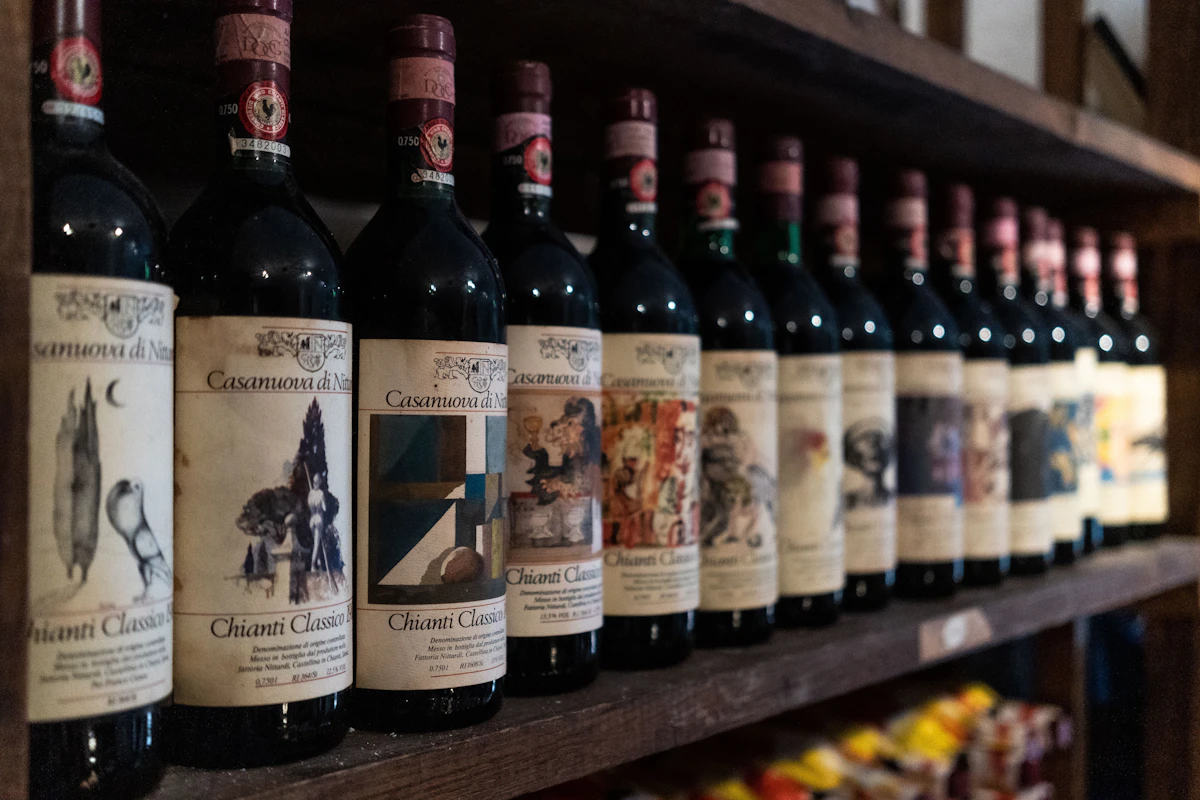
ーーーAnyway, there was no need to bring up the wine. But then I started thinking about Tuscany, and, well… 🍷
We’d known about BOBOUTIC for years. Now we’re finally bringing it to T.O.
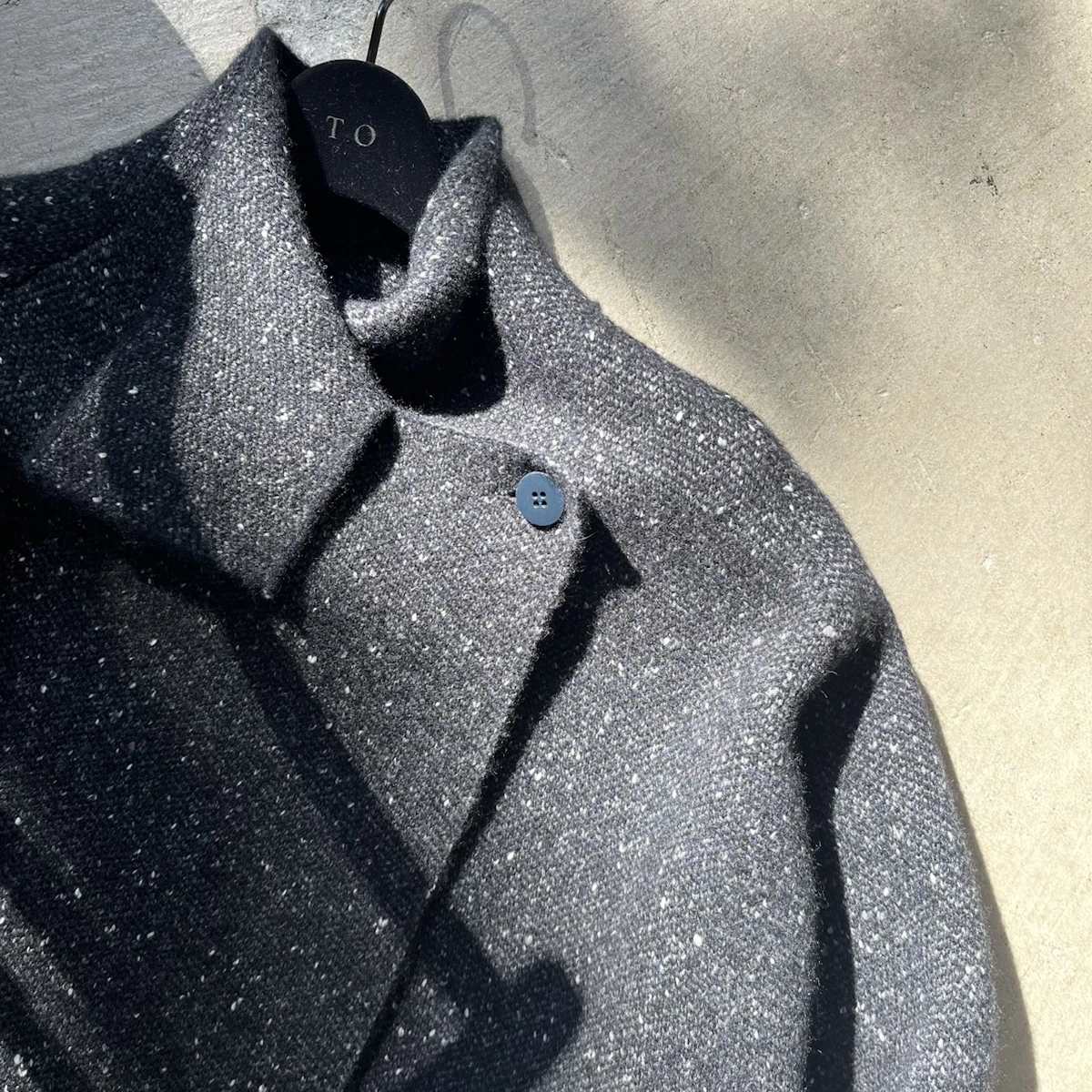
The first thing that caught our eye was the shape. The knitwear had the defined silhouette of a tailored coat.
Then we picked one up.
It was lighter than we’d imagined.
Really light.
How do you make a coat this light and soft? We asked Cristina, one of BOBOUTIC’s founders.
1. The Beginnings of BOBOUTIC
How did you meet, and how did BOBOUTIC begin?
Michel and I are both curious people, and this curiosity has allowed us to complement one another. The worlds of art and music brought us together; architecture and tailoring expertise have then become the tools with which we craft our pieces.
Our imagination and our perspective on the world have been the driving force that has enabled BOBOUTIC to endure and evolve over time, whilst remaining true to itself.
It is a project that has developed in small steps, without following the trends of the moment and without the ambition to become big.
BOBOUTIC has remained a space for playful experimentation. A space that, over time, has welcomed others: Niccolò, for example, a former student of ours who, over the years, has become the translator and interpreter of this creative exploration.
BOBOUTIC has not succumbed to the allure of mass production; it continues on its path with the humility of a knitter and a tailor. It is not housed in a factory but in an atelier where everyone breathes the same air.
2. Creating Three-Dimensional Form Through Knitwear
How do you give your knitwear such a defined shape while keeping it soft and light?
You’ve touched on a key aspect of our work by mentioning lightness.
Thank you for your questions, which already contain many answers about BOBOUTIC. This makes us very happy, because it means you’ve already become familiar with our garments, even though we’ve only been working together for a short time.
Lightness and structure: the idea of keeping a garment soft yet with a defined shape – we’ve managed to achieve this by combining, more often than not, materials with contrasting characteristics.
Wool, cashmere, yak and linen, for example. But sometimes this wasn’t enough to provide structure and prevent the inevitable distortion of the knitted garment; so we began adding material and weaving, creating a knit that was also a woven fabric.
Our garments produce no offcuts because we don’t cut anything: we shape and add volume by thinking entirely in three dimensions.
Knitwear designed in this way eliminates the seams of darts. Everything becomes a single undulating surface that takes shape without any breaks.
As we do not start from a paper pattern, mistakes lead to other shapes that are essentially the same but with changing proportions. Taking the back roads sometimes brings surprises!
3. A Changing Climate and the Choice of Materials
Are longer, hotter summers changing how you choose materials or design your collections?
We are very sensitive to climate change and to all the alterations and aberrations of the world.
It’s what I said at the start: BOBOUTIC looks at the world inhabited by people.
The quest for lightness thus becomes an obsession, a limit to be overcome, but at times also a failure. Knitwear contains more material than woven fabric or jersey, and so we can be useful only at certain times of the year and utterly useless at others.
Function and desire are the alchemy of a garment, and when function fails, we work on desire, on the unexpected object.
4. What Everyday Wear Reveals
What do you learn from wearing your own pieces?
The purpose of the garment is to feel at ease in the world. To follow the body as it moves.
A garment to live in.
To fine-tune our garments, we wear them ourselves; our friends wear them too, and seeing them out and about on the streets of Florence and elsewhere for years on end is deeply rewarding – that blend of materials stands the test of time.

Some friends still wear pieces from collections dating back 25 years.
Yes, because B. is an old hand, even if it remains a game.
ーーー
Cristina Zamagni, BOBOUTIC
When we first visited BOBOUTIC’s showroom in Paris, they already knew about T.O. We were surprised and delighted that they’d heard of our little shop in Kochi all the way from Florence.
Their knitwear has the shape of a tailored coat, feels light and moves easily with you. We like how naturally it fits into everyday life.
T.O has been open since 1981, and bringing in BOBOUTIC feels like a small step forward for the shop. We look forward to seeing how our customers make these pieces their own.
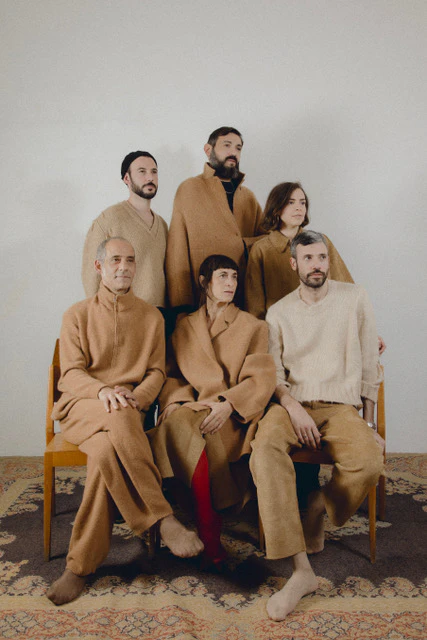
「OK, everyone, look natural📸」
View our BOBOUTIC Collection →
Open: 10:00–18:00, Closed Thursdays
T.O
3-11-17 Harimayachō
Kochi, 780-0822, Japan
☎: +81 88 878 1102
✉:Email: cs@to1981.com